


.gif)
Austria updates traffic rules: new requirements for electric mopeds, scooters, and safety systems

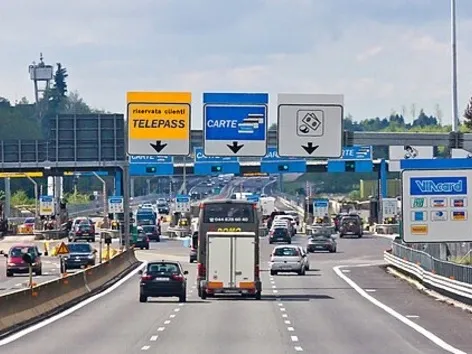
Austria is changing its traffic rules: new requirements for electric mopeds, scooters, and surveillance cameras. Find out when the new rules will come into effect, who they apply to, and what drivers and couriers need to know

Austria is preparing for a major reform in the field of road traffic. The government has presented a draft of the updated Road Traffic Act (StVO), which is intended to bring the country's transport system into line with modern realities.
“With this amendment, we are bringing the Road Traffic Act into the 21st century,” said Mobility Minister Peter Hanke (SPÖ) during a presentation in Vienna. According to heute.at, the document was developed in cooperation with transport spokespeople from the SPÖ, ÖVP, and Neos parties, and its main goal is to improve safety for all road users.
What will change for road users
The comprehensive amendment to the StVO includes a number of innovations that will affect both motorists and owners of electric vehicles:
● Electric mopeds will be removed from bike lanes and moved to public roads.
● Clear requirements for helmets and technical equipment will be introduced for electric scooters and electric bicycles.
● The use of cameras to regulate traffic will be permitted in city centers.
The new rules are expected to come into force on May 1, 2026, with stricter requirements for electric mopeds coming into effect on October 1, 2026.
Electric mopeds will no longer be considered bicycles
The reform is intended to relieve bicycle lanes, which in recent years have been overcrowded with delivery couriers. Under the new rules, small electric mopeds (L1-eB) will no longer belong to the bicycle category.
Their use will require:
● a license plate;
● vehicle insurance;
● a driver's license of the appropriate category;
● a protective helmet.
“A small electric moped is not a bicycle and should not be treated as such,” emphasized SPÖ transport spokesman Wolfgang Moidzi. According to him, in the future, electric mopeds will have to comply with the same rules as other motorized vehicles.
A transition period until fall 2026 is provided for delivery services to adapt to the new requirements. The parliament also approved the possibility of negotiating a collective agreement for freelance couriers, which should improve their working conditions.
Don't want to miss important updates and useful articles? Subscribe to our weekly newsletter!
New rules for electric scooters and electric bicycles
Legislators paid particular attention to the safety of electric scooter and bicycle users. The draft provides for:
● mandatory use of helmets up to the age of 16 for scooters and up to the age of 14 for electric bicycles;
● the presence of a bell and turn signals;
● a reduction in the permissible blood alcohol level from 0.8 to 0.5 per mille;
● a ban on the transport of passengers and cargo.
Neos transport spokesperson Dominik Oberhofer emphasized that the helmet requirement is intended to strike a balance between safety, personal responsibility, and environmentally friendly mobility. “We are not introducing a general ban so as not to restrict popular rental services. At the same time, the new rules guarantee better protection for our young people,” he said.
Traffic calming cameras
Another innovation is allowing municipalities to use cameras to manage traffic in city centers. City authorities will now be able to automatically regulate the entry and movement of multi-lane transport in designated areas.
ÖVP spokesman Joachim Schnabel explained that this gives cities “a modern and internationally standardized tool for effective traffic management.”
At the same time, monitoring of bus lanes and bike lanes will be prohibited, with the exception of so-called “school streets” where children need special protection.
Mobility Minister Peter Hanke summed it up: “The reform makes our roads safer and our coexistence in traffic fairer.”
The updated law should not only increase safety, but also support the development of environmentally friendly transport by creating comfortable conditions for pedestrians and cyclists.
The new rules are particularly relevant for Ukrainians who travel or work in EU countries. If you are planning a trip by car to Austria or other European countries, don't forget to get a Green Card — compulsory international motor insurance. It's easy to do online on the Visit Ukraine portal, which offers policies from various insurance companies.

We remind you! A Green Card is international motor insurance, which is mandatory for leaving Ukraine in your own vehicle. Read about which countries this policy is valid in, why it is checked at the border, and how to quickly obtain a Green Card online.
Photo: Wikipedia
Want to know more? Read the latest news and useful materials about Ukraine and the world in the News section.
Our recommendation for a safe and comfortable trip:
Visit Ukraine Insurance - insurance for a safe stay abroad without unnecessary expenses;
Green Card - compulsory car insurance for traveling abroad;
Visit Ukraine Tickets - book tickets for buses, trains, and airplanes to/from Ukraine and between cities around the world;
Private Lawyer service - professional legal support on visa and migration issues;
Visit Ukraine Merch - buy patriotic clothing and accessories with worldwide delivery.
© 2018-2025, Visit Ukraine. Use, copying or reprinting of materials on this site is permitted only with a link (hyperlink for online publications) to Visit Ukraine.
All rights reserved.
Recommended articles
1 min
Travel
The 5 most dangerous countries in Europe in 2025 and why you shouldn't move there
Europe is not always safe: some countries have high levels of crime and terrorist threats. Find out which 5 European countries are considered the most dangerous in 2025
Yuliia Dyka
19 Oct. 2025
More details3 min
Emigration
Legalization in Europe 2025: a complete guide to obtaining a residence permit for Ukrainians
To obtain a residence permit in Europe, it is important to prepare the documents correctly and take into account some important nuances when submitting them. Learn how to apply for a residence permit correctly, avoid mistakes, and stay abroad legally
Yuliia Dyka
21 Oct. 2025
More details1 min
Popular
The most popular border crossing points for traveling abroad: statistics for the first half of 2025
In 2025, Ukrainians continue to actively travel to EU countries - primarily to Poland, Slovakia, Hungary, Romania and Moldova. Find out through which checkpoints Ukrainians most often traveled abroad in the first half of 2025
Yuliia Dyka
22 Oct. 2025
More details1 min
For refugees
What are Ukrainians preparing for when temporary protection in the EU ends?
Almost 4.3 million Ukrainians are still under temporary protection in EU countries, but this protection is gradually coming to an end. What will happen after 2027: will it be extended, will they return home, or will they transition to other statuses? Find out what to prepare for and what decisions EU countries are considering
Yuliia Dyka
22 Oct. 2025
More details