


.gif)
Die Schweiz plant, den Schutzstatus S für Ukrainer einzuschränken: Was ist bekannt?

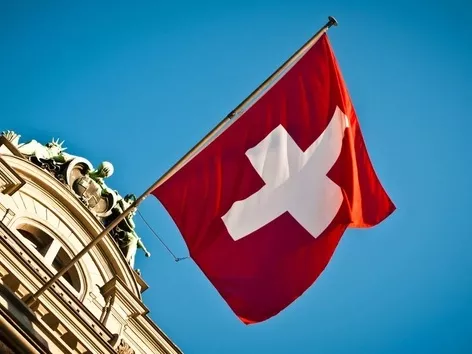
Die Schweiz bereitet sich darauf vor, den kollektiven Schutz für ukrainische Flüchtlinge zu reduzieren. Erfahren Sie, wer von der Einschränkung des S-Status betroffen sein wird, warum der Druck auf die Regierung wächst und welche Optionen für die Legalisierung verbleiben.

More than three years after russia's full-scale invasion of Ukraine, solidarity with refugees in Switzerland is noticeably weakening. According to the NZZ, in May 2025, the Swiss People's Party (SVP) initiated a motion to the National Council to completely abolish collective protection status S for Ukrainian citizens. According to the initiators, a significant part of Ukrainian territory is sufficiently “stabilized,” and therefore Ukrainians should continue to apply for asylum through the normal procedure.
The proposal is being actively discussed in the government and society, as it would potentially restrict the rights of future applicants arriving from regions of Ukraine that politicians consider to be calmer.
What is S protection status and why is it under threat?
Protection status S was introduced in Switzerland as an emergency measure in March 2022 to give Ukrainians quick access to asylum without having to go through lengthy procedures. It's temporary and gives people the right to stay, social benefits, health insurance, and a work permit.
As of May 2025, more than 69,000 people have this status, and the number is not decreasing — 3,300 new applicants have arrived during the year, while only 2,600 people have returned to Ukraine.
Swiss cantons responsible for housing and integrating people with S status report growing pressure on local budgets. Most Ukrainians are still not financially independent: two-thirds do not have a stable income, which puts an additional burden on the social protection system.
Incidentally, Switzerland recently set a specific target for the employment of Ukrainian refugees with S permits: at least 50% by the end of 2025.
What the Swiss parliament is proposing: changes to the granting of S protection status
Last year, parliament supported an initiative by Esther Friedli of the Council of Cantons of St. Gallen. It's basically about a selective approach to granting S protection status. Ukrainians whose last place of residence wasn't in active combat zones or occupied territories won't automatically get protection.
Those who already have this status will not be affected by these rules and will not lose their protection. The restrictions will only apply to new applicants, particularly those arriving from western Ukraine.
This approach is intended to reduce the burden on the asylum system, but it raises questions about the real level of security in Ukraine, as russian strikes continue and even cover “relatively safe” areas.
Don't want to miss important updates and useful articles? Subscribe to our weekly newsletter!
Why is the decision controversial?
The Federal Council is expected to make a final decision before the summer recess. It has been tasked with determining which regions of Ukraine are considered safe. The problem is that there is currently no completely safe territory: shelling, drones, and strikes on infrastructure are a constant threat, even in western Ukraine.
For example, the Kyiv region, which is often considered stable, has been under constant threat of attack for a long time, and according to international monitoring data (ACLED), fighting and attacks are taking place across almost the entire territory of Ukraine.
How other countries are dealing with refugees from Ukraine: the example of Norway
Norway was the first European country to start limiting collective protection for Ukrainians. Initially, six regions were deemed safe, and eight more were added to the list later. People from these regions must go through the standard asylum procedure.
Despite the changes, the number of Ukrainians in Norway has remained almost unchanged, and those who have already been granted status will have it automatically extended.
This example was cited in the Swiss parliament as a “model,” but it should be noted that Norway provides significantly more support to Ukraine, including 7 billion francs in aid for 2025 alone and the supply of F-16 fighter jets.
Is a new influx of refugees expected in Switzerland?
Even if Switzerland restricts S protection status, this does not guarantee that the burden on the asylum system will be reduced. Ukrainians will still be able to apply for individual asylum, which means that each case will have to be examined separately, potentially increasing the bureaucratic burden.
In addition, if russia makes further gains on the front lines, Europe — including Switzerland — must be prepared for a new wave of refugees. The European Commission has already extended temporary protection for Ukrainians until March 2027, stressing that no country should act unilaterally.
What legalization options remain for Ukrainians in Switzerland?
If S protection status is restricted, Ukrainians arriving in Switzerland may consider alternative legalization options: the standard asylum procedure, a residence permit through a contract with an employer, education, marriage, etc.
In these situations, it is advisable to seek professional assistance from immigration lawyers, especially those who have no experience in dealing with European institutions. The specialists at Visit Ukraine provide support in preparing documents, drafting applications, analyzing risks, and finding legal solutions for staying in European countries, including Switzerland.
Contact us for advice to find the best solution for your situation!

We remind you! Switzerland remains an attractive destination for emigration in 2025 thanks to its stable economy and high standard of living. Ukrainians are increasingly considering this country as a place for professional and personal development. Read more about the steps you need to take to successfully move and legalize your stay in Switzerland in 2025 in our previous article.
Photo: Getty Images
Want to know more? Read the latest news and useful materials about Ukraine and the world in the News section.
Our recommendation for a safe and comfortable trip:
Visit Ukraine Insurance - insurance for a safe stay abroad without unnecessary expenses;
Green Card - compulsory car insurance for traveling abroad;
Visit Ukraine Tickets - book tickets for buses, trains, and airplanes to/from Ukraine and between cities around the world;
Private Lawyer service - professional legal support on visa and migration issues;
Visit Ukraine Merch - buy patriotic clothing and accessories with worldwide delivery.
© 2018-2025, Visit Ukraine. Use, copying or reprinting of materials on this site is permitted only with a link (hyperlink for online publications) to Visit Ukraine.
All rights reserved.
Recommended articles
1 min
Für Flüchtlinge
Die Niederlande haben die Streichung des vorübergehenden Schutzes für einige Ausländer angekündigt, die zuvor in der Ukraine waren und das Land nach Beginn des Krieges verlassen haben. Erfahren Sie, welche Kategorie von Bürgern betroffen ist und was zu tun ist, um Verstöße gegen die Migrationsregeln zu vermeiden
Yuliia Dyka
07 Jun. 2025
More details2 min
Dokumente
Die Ukraine erkennt offiziell die mehrfache Staatsbürgerschaft an. Erfahren Sie, unter welchen Bedingungen es erlaubt ist, zwei Pässe zu haben, wer die ukrainische Staatsbürgerschaft verlieren wird und wie das neue Gesetz Ukrainer im Ausland und Ausländer, die Bürger der Ukraine werden möchten, betreffen wird.
Yuliia Dyka
22 Jul. 2025
More details2 min
Dokumente
Im Jahr 2025 benötigen Ukrainer einen gültigen Reisepass, um ins Ausland zu reisen. Erfahren Sie, welche Anforderungen an die Gültigkeit des Dokuments in verschiedenen Ländern gelten, Regeln für Kinder und Flüchtlinge, Tipps zum Ersetzen eines Reisepasses sowie viele weitere nützliche Informationen für Reisende
Yuliia Dyka
21 Jun. 2025
More details1 min
Finanzen
Planen Sie eine Reise nach Europa? Es ist ratsam, sich im Voraus mit der Liste der finanziellen Anforderungen für jedes Land im Schengen-Raum sowie den wichtigen Regeln für den Bargeldtransport über Grenzen und innerhalb der Europäischen Union vertraut zu machen. Erfahren Sie, wie viel Geld Sie benötigen, um ohne Visum in EU-Länder einzureisen
Yuliia Dyka
21 Jun. 2025
More details