


Dzień Ukraińskiego Pisania i Języka: dziedzictwo Nestora Kronikarza i moc ukraińskiego słowa

- How did the Day of Ukrainian Writing and Language originate?
- Who is Nestor the Chronicler?
- History of the Ukrainian language and writing
- How do modern Ukrainians celebrate the Day of Ukrainian Writing and Language?
- Interesting facts about the Ukrainian language
- Why is it important to preserve the Ukrainian language?
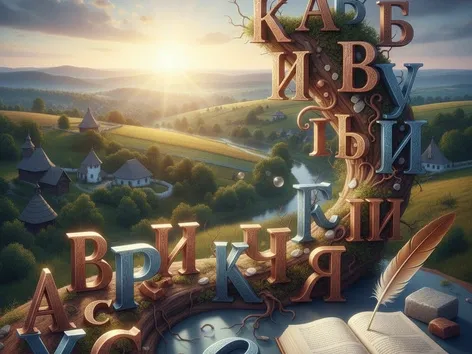
Język ukraiński jest duszą narodu, który przeszedł przez wieki zakazów i odrodzeń. Dowiedz się, jak powstało święto Dnia Języka i Literatury Ukraińskiej, dlaczego honoruje Nestora Kronikarza oraz kiedy i jak Ukraińcy obchodzą to wydarzenie dzisiaj

For every nation, their native language is a spiritual treasure, an invisible thread that unites past, present, and future generations. The Ukrainian language has preserved the history, traditions, faith, and struggle of our people. Despite numerous attempts at prohibition and destruction, Ukrainians have always defended their right to speak, create, and think in their native language.
Every fall, Ukrainians celebrate the Day of Ukrainian Writing and Language – a holiday that reminds us of the importance of words, the roots of our culture, and those who laid the foundations of the literary tradition. It is symbolically combined with the Day of Remembrance of the Reverend Nestor the Chronicler, the author of the legendary “Tale of Bygone Years” – a work that became the basis of the historical memory of the Ukrainian people.
We will tell you about the history and traditions of the Day of Ukrainian Writing and Language in this article.

How did the Day of Ukrainian Writing and Language originate?
The idea of honoring the Ukrainian language arose in the 1990s, when independent Ukraine began to actively restore its cultural traditions.
On November 6, 1997, then-President Leonid Kuchma signed Decree No. 1241/97 “On the Day of Ukrainian Writing and Language,” which established an annual holiday. The day of its celebration was November 9, the date of honoring the memory of Nestor the Chronicler according to the Julian calendar.
With the transition of the Ukrainian Church to the new Julian calendar from 2023, the date of the celebration was moved to October 27. It is on this day that Ukrainians now honor both the language and the great chronicler who was the first to tell about ancient historical events on our land.
Who is Nestor the Chronicler?
Nestor the Chronicler is a monk of the Kyiv-Pechersk Monastery, historian and writer, who in the 11th-12th centuries created “The Tale of Bygone Years.” In this work, he collected traditions, legends, documents and his own observations about the origin of Rus, the princes and peoples who inhabited it.
Nestor's manuscript became the basis of the Ukrainian chronicle tradition and one of the most valuable sources of European historiography. Thanks to it, we have an idea of the life of Kyivan Rus, the formation of statehood and the development of the language.
Today, the memory of Nestor the Chronicler is honored as a symbol of wisdom, work and love of the word.
History of the Ukrainian language and writing
The Ukrainian language belongs to the East Slavic group, but has its own unique features. The process of forming the Ukrainian language began in the 6th century. and lasted until the 16th century. Not only Slavic tribes, but also Iranian-speaking and Turkic-speaking populations took part in its formation.
Already during the time of the Kyivan State, mentions of the Old Ukrainian language and the first records appear, for example, on the walls of the St. Sophia Cathedral you can read graffiti (inscriptions) “Lord help your servant Pavlovy”, in this phrase the name ends in the typically Ukrainian dative case.
However, after the decline of the Kyivan State, difficult times came for the Ukrainian language – a long history of prohibitions and oppression – from the tsarist decrees on the burning of Ukrainian books in the 17th century to the Ems Decree of 1876.
However, despite all this, the language survived and a great deal of credit for this belongs to the Ukrainian intelligentsia: Ivan Kotlyarevsky, who created the first work of new Ukrainian literature – “The Aeneid”, Taras Shevchenko, who showed with his poetry that the Ukrainian language can sound no less powerful than any other, and Lesya Ukrainka and Ivan Franko, who made Ukrainian the language of European culture.
It is worth mentioning separately the brothers Cyril and Methodius, who created the Glagolitic alphabet - the ancestor of the Cyrillic alphabet, on the basis of which the modern Ukrainian alphabet was later formed. Since the 11th century, the Cyrillic alphabet has become the basis of writing for Slavic peoples, and its tradition has been preserved to this day.
How do modern Ukrainians celebrate the Day of Ukrainian Writing and Language?
Since 2000, Ukraine has traditionally held the All-Ukrainian Dictation of National Unity - an initiative that millions of people join every year.
Schools and universities hold reading competitions, native language lessons, flash mobs and thematic events.
The Petro Jacyk International Ukrainian Language Competition also starts on this day, with representatives from over 20 countries participating.
To honor the memory of Nestor the Chronicler, Ukrainians traditionally bring flowers to the monuments of the historian and writer, and in churches they pray for children's success in their studies.
In communities and cultural centers, awards are given to figures who popularize the Ukrainian word - writers, journalists, and educators.
Interesting facts about the Ukrainian language
- The Ukrainian language has over 276 thousand words, which makes it one of the most expressive in the world.
- The longest word in the Ukrainian language is “dichlorodiphenyltrichloromethylmethane” (30 letters) – a chemical used to combat pests.
- The Ukrainian language is one of the richest in diminutive and affectionate forms – even the word “enemy” has a variant “vorizhenki”.
- The first Ukrainian primer was printed by Ivan Fedorov in 1574 in Lviv.
- Taras Shevchenko’s “Testament” has been translated into 147 languages of the world – this is an absolute record among Ukrainian works.
- The first mention of the Ukrainian language was made by the Byzantine historian Priscus of Panikii, who wrote down the words “honey” and “dish”.
Why is it important to preserve the Ukrainian language?
Language is not only a way of communication – it is our history, memory and strength. It shapes the worldview, helps to feel unity with ancestors and responsibility to future generations. Every Ukrainian who speaks, writes or thinks in Ukrainian – continues the chronicle of his land.
Today, when Ukraine defends its existence, love for the native word takes on a new meaning. To protect the language means to protect the state. To cherish the word means to cherish freedom.
Ukrainian Writing and Language Day is not just a date on the calendar. It is a reminder of the power of the word, of our cultural heritage and spiritual unity. Honoring Nestor the Chronicler, we bow our heads to all who created the Ukrainian word in the past and continue it today.
Let us love, appreciate and protect our language – because it is in it that the soul of the Ukrainian people lives!
For the Day of Ukrainian Writing and Language, Visit Ukraine has prepared a selection of stylish merch with Ukrainian symbols - from T-shirts and hoodies to bags, backpacks and cups. Each item is a way to tell the world: I am Ukrainian, I help Ukraine, I am part of the great history of the world.
Choose your ideal patriotic merch in the “Collection from Visit Ukraine” and support Ukraine not only with words, but also with deeds!

Reminder! Two picturesque villages of Transcarpathia have received global recognition, being included in the list of the best tourist villages on the planet according to the UNWTO. They were chosen for their unique atmosphere, preservation of traditions and sustainable development of tourism. We have already told you what these corners of Ukraine are famous for.
Photo - generated by Gemini
Want to know more? Read the latest news and useful materials about Ukraine and the world in the News section.
We recommend purchasing it for a safe and comfortable trip to Ukraine:
Visit Ukraine Insurance – health insurance with coverage of war risks;
Visit Ukraine Mini Hull Insurance – car insurance with extended coverage in Ukraine;
Visit Ukraine Osago – compulsory motor third party liability insurance for cars with Ukrainian registration;
Visit Ukraine Tickets – bus and train tickets to/from Ukraine;
Visit Ukraine Tours – the largest online database of tours to Ukraine for every taste;
Visit Ukraine Hotels – hotels for a comfortable stay in Ukraine;
Visit Ukraine Merch – patriotic clothing and accessories with worldwide delivery.
© 2018-2025, Visit Ukraine. Use, copying or reprinting of materials on this site is permitted only with a link (hyperlink for online publications) to Visit Ukraine.
All rights reserved.
Recommended articles
2 min
Popular
Jakie niezwykłe i dziwne rzeczy próbowali przemycać przemytnicy z Ukrainy?
Ukraina to kraj o bogatej kulturze oraz dziedzictwie historycznym i przyrodniczym. Jednakże, to bogactwo i unikalność przyciągają miłośników sztuki oraz przemytników, którzy starają się nielegalnie eksportować cenne przedmioty za granicę. Dowiedz się więcej o niezwykłych przedmiotach, które zostały przemycone z Ukrainy
Yuliia Dyka
16 sty. 2025
More details1 min
Culture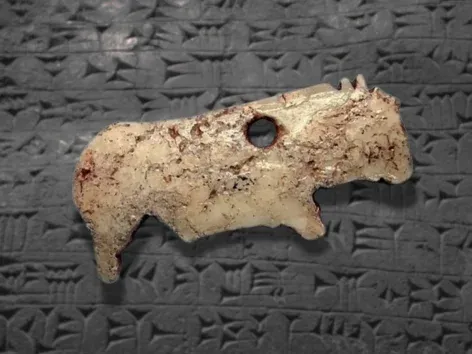
Figurka byka z Mariupola, stworzona około 6000 roku p.n.e., została uznana za jeden z dziesięciu najbardziej poszukiwanych artefaktów na świecie przez Antiquities Coalition. Ten unikalny eksponat zniknął podczas okupacji miasta i stał się symbolem kulturowej walki Ukrainy. Dowiedz się, dlaczego to znalezisko ma globalne znaczenie i jak jego utrata odzwierciedla skalę agresji kulturowej przeciwko Ukrainie
Yuliia Dyka
17 sie. 2025
More details2 min
Popular
Nowa platforma widokowa otworzy się w wieży sali organowej we Lwowie: jak ją odwiedzić
Zachodnia wieża budynku Lwowskiej Sali Organowej będzie otwarta dla zwiedzających po raz pierwszy. Dowiedz się, kiedy możesz ją odwiedzić, jak się zarejestrować i co czeka turystów podczas wspinaczki na wysokość ponad 40 metrów
Yuliia Dyka
27 sie. 2025
More details1 min
Culture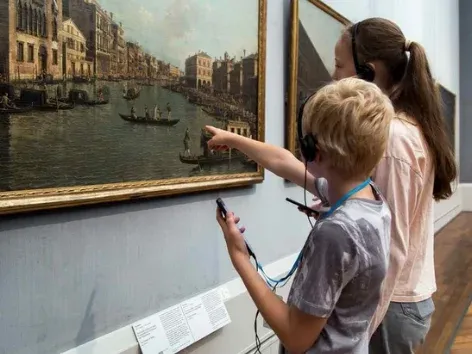
Ukraińskie przewodniki audio są teraz dostępne w czterech kolejnych znanych muzeach i galeriach
Ukraińskie przewodniki audio nadal rozprzestrzeniają się po świecie — w sierpniu pojawiły się w czterech kolejnych znanych muzeach i galeriach w Europie. Projekt objął już ponad sto miejsc w 55 krajach. Sprawdź, gdzie nowe przewodniki audio są teraz dostępne
Yuliia Dyka
29 sie. 2025
More details