


.gif)
How Christmas is celebrated in Europe: the most interesting traditions in different countries

- Christmas in Germany: Advent, fairs, and the origins of European traditions
- Christmas in Sweden: candles, Yule logs and a straw goat
- Christmas in Norway: Yule, ancient beliefs and Christmas legends
- Christmas in Finland: sauna, Joulupukki and candlelight
- Christmas in the Czech Republic: Mikulas, Jiříšek and the Christmas mystery
- Christmas in Austria: traditional markets, candles and the Christ Child
- Christmas in Belgium: ancient rituals, theater performances and Christmas delicacies
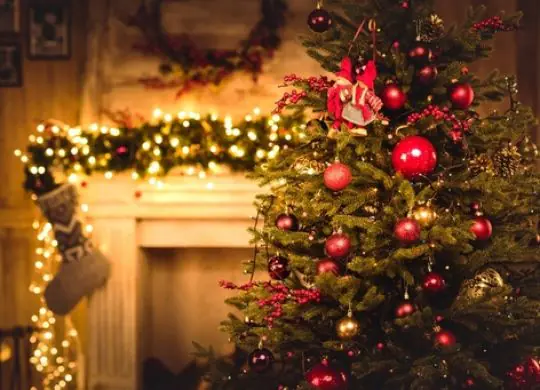
The Advent period, holiday markets, unusual characters and ancient rituals - Christmas in Europe is full of symbols and surprises. In this article, we have collected the most interesting traditions of Christmas celebrations in different countries. Find out how Christmas holidays in Germany, Scandinavia, and Central Europe differ from each other

Christmas in Europe is a special time when cities are filled with light, baking aromas, and a sense of anticipation. Despite their common Christian roots, each country has developed its own Christmas traditions that have been shaped over the centuries by history, climate, and local beliefs. That's why Christmas celebrations in Europe are so diverse: from noisy fairs and costumed parades to quiet family candlelit evenings.
In most European countries, Christmas is considered a family holiday that is spent at home, and the real festive life is in full swing even before it - during Advent. During this period, Christmas markets are opened, festive illumination is lit, and ancient rituals are observed, many of which have survived to this day. Below, we will tell you how Christmas is celebrated in different European countries and what traditions make these holidays unique.
Earlier, we told you which European city Time Out named the best to celebrate the New Year 2026.
In most EU countries, a special e-vignette is required to travel on highways - a digital document confirming payment of the road fee. Read here what a road vignette is, how it works, in which countries it is needed and how to apply for it online.

Christmas in Germany: Advent, fairs, and the origins of European traditions
Germany is considered to be one of the main Christmas countries in Europe, as it is the birthplace of many traditions that have subsequently spread across the continent. For the Germans, Christmas is not just a few holidays, but a whole period of waiting known as Advent, which begins about four weeks before December 25.
During this time, Advent calendars and Advent wreaths appear in homes. Every Sunday, a new candle is lit on the wreath, symbolizing the approach of Christmas. Houses and yards are decorated with great care: wreaths are hung on the doors, windows are decorated with figurines and pendants, and real wax candles are lit on the windowsills. Outside, there are often shopping carts, figures of deer, hares, and other festive symbols, turning residential neighborhoods into real Christmas displays.
It is in Germany that the tradition of decorating the Christmas tree originated. In the Middle Ages, an evergreen tree, a symbol of the tree of paradise, was used during Christmas performances near churches and decorated with red apples. Over time, the theatrical performances disappeared, but the tree remained and became an integral part of the celebration. Today, Germans often decorate it not only with toys, but also with gingerbread, cookies in the shape of stars, birds, or horsemen, and lace elements.
A special place in German Christmas is occupied by Christmas markets, which are considered one of the best in Europe. They open at the end of November and run until Christmas Eve. In large cities like Munich and Nuremberg, there are dozens of fairs running simultaneously, each with its own theme and atmosphere. They sell Christmas decorations, handmade crafts, hot mulled wine, roasted chestnuts, and traditional pastries.
Among the lesser-known but very symbolic traditions is St. Barbara's Day on December 4. On this day, Germans put cherry or forsythia sprigs in water. If they bloom before Christmas, it is considered a good sign and a symbol of good luck. And on December 5, costumed Krampuslauf parades are held in the southern regions of the country, where participants dressed as the mythical Krampus scare passers-by, reminding them of old folk beliefs.
The Christmas season in Germany traditionally ends on January 6 on the feast of the Three Kings. In some federal states, this is an official holiday, and on this day, Germans take down the Christmas tree, finally saying goodbye to the festive atmosphere until next year.

Christmas in Sweden: candles, Yule logs and a straw goat
In Sweden, Christmas is one of the most important holidays of the year, closely associated with light, home comfort, and ancient Scandinavian traditions. Preparations for it begin long before December 25, on the first Sunday of Advent, when candles are lit in special candlesticks or wreaths in homes. Every week, a new candle is added to the previous one, gradually filling the house with warm light in the dark winter.
The festive table in Sweden has its own character and differs significantly from Christmas menus in other European countries. Traditionally, Christmas ham, pork sausages, pickled herring, potatoes, rye bread, and gubbröra, a dish made from eggs and anchovies, are served. A special place is occupied by lutefisk - fish soaked using a special technology. All of this is washed down with mulled wine or its Swedish variant, glögg.
A special part of the celebration is the appearance of the Christmas character Yultomten. Traditionally, one of the family members leaves the house on Christmas Eve, and a few minutes later, Yulttén knocks on the door with a bag of gifts. Unlike in many other countries, he does not leave the gifts under the Christmas tree in secret. The gifts are presented in person and are accompanied by jokes and conversations.
One of the most famous Swedish Christmas traditions is the straw Christmas goat. In the city of Evele, a huge straw goat is installed every year during Advent, and it has become a real symbol of Swedish Christmas. Despite the increased security, this installation often becomes the object of pranks - people try to set it on fire, and over the years it has become a kind of unofficial competition.
Christmas in Sweden combines Christian traditions with elements of ancient Nordic beliefs. Candles, natural materials in the decor, restrained decorations and an emphasis on the family circle create a special atmosphere of calm and comfort that distinguishes the Swedish celebration from other European countries.
In the previous article, we talked about the 5 best cities in Europe for a budget winter trip according to Travel Off Path.
Don't want to miss important updates and useful articles? Subscribe to our weekly newsletter!
Christmas in Norway: Yule, ancient beliefs and Christmas legends
In Norway, Christmas is called Yule, and many holiday traditions here have their roots in pre-Christian times. For Norwegians, it is not only a religious holiday, but also a combination of ancient Scandinavian beliefs, family customs, and winter magic. That is why Norwegian Christmas is full of symbols that may seem unusual to visitors to the country.
The main Christmas character in Norway is Julenisse, a local version of Santa Claus. His image comes from a mythical house spirit who, according to legend, guarded the household and livestock. During the Christmas season, Julenisse brings gifts to children and is considered a benevolent protector of the home.
The festive table in Norway is quite simple but hearty. Traditionally, baked pork or lamb ribs, cod, and Christmas beer are served. Beer consumption has a historical background: back in pagan times, Yule was accompanied by sacrifices and festive feasts, and beer was considered an obligatory attribute of the celebration.
One of the most interesting and unusual traditions is the custom of burying brooms on Christmas Eve. According to old beliefs, evil spirits, including witches, are activated on Christmas Eve and can use brooms to move around. To deprive them of their “transportation,” Norwegians put brooms away from sight, a custom that has survived in many regions to this day.
During the Christmas season, Norwegian towns and villages are decorated with garlands and lanterns that glow in the windows of houses. The city of Røros with its UNESCO-listed wooden buildings looks especially fabulous at this time. The atmosphere of a winter fairy tale is complemented by snow, soft lighting and traditional fairs.
Interestingly, the town of Drebak is home to the Santa Claus post office and the only Christmas shop in Scandinavia that is open all year round. And in Bergen, residents come together every year to build an entire city of gingerbread cookies, with the help of schools, kindergartens, and local businesses.

Christmas in Finland: sauna, Joulupukki and candlelight
For the Finns, Christmas is one of the most important holidays of the year, full of silence, respect for traditions and a special connection with nature. Preparations for the celebration begin on the eve of Christmas Eve on December 23, when Christmas trees are decorated in homes. Traditional decorations are straw geometric shapes of khimmeli, which symbolize prosperity and harmony in the home.
One of the most characteristic Christmas traditions in Finland is a mandatory visit to the sauna. Finns believe that it is in the sauna that the Christmas elf, the family protector, lives. On Christmas Eve, the sauna is thoroughly cleaned, lit with candles, and couples spend several hours in steam, preparing for the festive night. This ritual has not only a symbolic but also a practical meaning: it cleanses the body and mind before the holiday.
On the same day, it is customary to visit the graves of loved ones. Finns bring spruce branches, wreaths and light candles, and when it gets dark in the evening, the cemeteries turn into seas of flickering light. This tradition gives Finnish Christmas a special depth and quiet solemnity.
Christmas morning in Finland usually begins with a visit to church, followed by the most anticipated moment for children - the appearance of Joulupukki. Unlike in many other countries, the Finnish Christmas grandfather comes in person, rather than leaving gifts in secret. Often, a parent or neighbor dresses up as him, but children readily believe that the real Joulupukki lives in Finland with his wife and dwarf assistants.
Interestingly, the name Joulupukki translates as “Christmas goat” because in ancient times, this animal used to bring gifts to children. According to legend, Joulupukki travels on a sleigh pulled by a goat, not reindeer, which sets him apart from other European Christmas characters.
Find out which eight ski resorts in Europe Lonely Planet recommends for the 2025-2026 season.

Christmas in the Czech Republic: Mikulas, Jiříšek and the Christmas mystery
Christmas in the Czech Republic combines a family atmosphere, elements of folk theater, and a belief in the Christmas miracle. The festive period here begins on December 5, when St. Mikulas, accompanied by an angel and a devil, walks through the streets of towns and villages. This procession turns Christmas Eve into a real show, especially for children.
Mikulas comes to the houses with a basket of gifts, but first he checks whether the children have been good throughout the year. The devils jokingly threaten to take the naughty ones to hell, while the angels, on the contrary, stand up for them. In the end, most of the children receive sweets and small gifts - this evening is full of emotions, laughter, and light intrigue.
The main Christmas miracle happens on December 24, on Christmas Eve. It is on this day that both children and adults receive gifts, but it is not Santa Claus who brings them, but Jezyshek, the little Jesus. No one knows how he does it: as soon as he leaves the room for a few minutes, gifts appear under the Christmas tree. This mystery is an important part of the Czech Christmas tradition.
Jiříšek is so popular in the Czech Republic that it has its own post office in the town of Boží Dar, located in the mountains on the border with Germany. Every year, it receives tens of thousands of letters from children who want to get a special Christmas stamp before the letter goes to the addressee.
Christmas traditions in the Czech Republic emphasize the importance of the family circle, the expectation of a miracle, and the belief that the most important things happen quietly and unnoticed. It is this restrained but magical atmosphere that makes Czech Christmas especially touching.
You can find out more about opening dates, addresses, opening hours, ticket prices and rentals at the main ice rinks in Warsaw here.
Christmas in Austria: traditional markets, candles and the Christ Child
Austrian Christmas is characterized by a special low-key atmosphere and fidelity to ancient traditions. Unlike many other European countries, Christmas markets here are less commercialized and more like cozy holiday gatherings. In Vienna, they operate in several districts of the city, from morning until late at night, filling the streets with the aromas of pastries, spices, and hot drinks.
Austrian fairs sell handmade goods, Christmas decorations, and traditional delicacies. One of the most popular is the stollen, a Christmas cake with dried fruit and powdered sugar. Sweets also play an important role in home decor: Christmas trees are decorated with chocolates, marzipan, squirrels and pigeons made of dough. Classical ornaments are used alongside them, usually in red and gold colors.
Real wax candles are of particular importance in Austria. They are not just lit to set the mood - there is a whole ritual associated with the beginning of the Christmas Eve. The light of candles symbolizes purity, hope, and the birth of something new, and it creates the warm atmosphere that Austrian Christmas is associated with.
Gifts in Austria, as in the Czech Republic, are brought by the Christkind, or Christ Child. Children write wish lists in advance and leave them on window sills, and then on Christmas Eve, gifts appear under the tree. It is believed that the Christ Child comes unnoticed, so no one ever sees him.
To make it easier for children to wait for Christmas, parents give them Advent calendars. In Austria, they often look like houses or trains with 24 windows. Every day, the child opens one window and finds a small toy or sweets inside, gradually getting closer to the festive night.
Earlier, we told you that a popular resort in Austria has established new rules for the use of detour routes.

Christmas in Belgium: ancient rituals, theater performances and Christmas delicacies
Christmas in Belgium has deep historical roots and preserves many traditions passed down from generation to generation. During Advent, Belgian homes are decorated with Christmas nativity scenes featuring the Virgin Mary, Joseph, the baby Jesus, and the Magi. In many families, these figurines are ancient relics that are carefully kept as part of family history.
During the Christmas season, many towns and villages in Belgium hold theatrical performances dedicated to the birth of Christ. This tradition dates back to the sixteenth century, so the participants often perform in costumes of that era. Such performances can be seen right in the town squares or near churches, and they are an important part of the festive atmosphere.
Christmas is celebrated in a particularly unusual way in Namur province. Here, many people spend Christmas Eve in coffee shops and taverns playing cards. This is not just entertainment, but a real Christmas ritual. The winner of the game receives a kerstbroden, a buttery bun covered with icing in the shape of an angel or the baby Jesus, or a large chocolate log, which is also considered a traditional Christmas symbol.
Until recently, there was another ancient custom in Belgium: blowing a Christmas horn. This instrument was made of wood or metal and used over wells to amplify the sound. The horn was blown every day from Christmas Eve to Epiphany, believing that the loud sound could drive away the “wild hunt,” an imaginary crowd of evil spirits that, according to legend, travels the sky on these days.
For the same purpose, the Belgians would go around their homes with torches and candles, smoke their homes with juniper smoke, and ring bells. Today, these rituals are mostly in the past, but the memory of them continues to shape the special character of Belgian Christmas.
It is worth noting that in most EU countries, an e-vignette is required to travel on highways - a digital document confirming payment of the toll. Without it, the driver may face fines, and the trip can easily turn into a problematic experience.
To avoid this, apply for a vignette in advance - online, in a few minutes. You can buy an e-vignette to Europe at Visit Ukraine:
- fast online application
- official vignettes for most EU countries
- instant receipt in digital format
- no need to stand in queues or look for points of sale before the border
Apply for a vignette before your trip and travel calmly, without fines and risks!

We remind you! Popular European cities are once again lighting holiday lights, opening fairs and preparing to welcome guests for Christmas. Despite the complex logistics, Ukrainian families can still find destinations where the atmosphere of safety is combined with a winter fairy tale. Read more about the most interesting Christmas destinations for families with children.
Want to know more? Read the latest news and useful materials about Ukraine and the world in the News section.
We recommend purchasing it for a safe and comfortable trip to Ukraine:
Visit Ukraine Insurance – insurance covering military risks for entry and travel in Ukraine;
Visit Ukraine Car Insurance – car insurance with extended coverage in Ukraine;
Visit Ukraine Legal Advice – comprehensive legal support on entry to Ukraine;
Visit Ukraine Tickets – bus and train tickets to/from Ukraine;
Visit Ukraine Tours – the largest online database of tours to Ukraine for every taste;
Visit Ukraine Hotels – hotels for a comfortable stay in Ukraine;
Visit Ukraine Merch – patriotic clothing and accessories with worldwide delivery.
© 2018-2025, Visit Ukraine. Use, copying or reprinting of materials on this site is permitted only with a link (hyperlink for online publications) to Visit Ukraine.
All rights reserved.
Recommended articles
2 min
Travel
Christmas 2025: where can you really feel the spirit of the holiday?
While some Christmas markets in Europe are becoming too noisy and crowded, others retain the authenticity and charm that the winter season has always been famous for. In 2025, more and more travellers are looking for places where the holiday feels genuine: with the taste of gingerbread, the warm light of lanterns and the atmosphere of old traditions. Find out where you can experience the true spirit of Christmas
Yuliia Dyka
15 Nov. 2025
More details3 min
Travel
Where to find festive cheer: the best Christmas destinations in Europe for travelling with children
Popular European cities are once again lighting up their festive lights, opening fairs and preparing to welcome guests for Christmas. Despite the complex logistics, Ukrainian families can still find destinations where a safe atmosphere is combined with a winter wonderland. Find out more about the most interesting Christmas routes for travelling with children
Yuliia Dyka
03 Dec. 2025
More details2 min
Popular
Traditional European Christmas dishes: what to serve on the festive table
Christmas holidays in Europe are characterized by a unique atmosphere of fragrant baked goods, family recipes, and centuries of gastronomic traditions. Each country has its own dishes that convey the spirit of the holiday. Learn about the most colorful Christmas gastronomic traditions and what symbolic dishes are served on the Christmas table in France, Germany, Italy, Poland, the Czech Republic, and Spain
Yuliia Dyka
06 Dec. 2025
More details2 min
Popular
Christmas shopping in Europe combines a festive atmosphere with great bargains. Find out where to find the best markets and outlets, how to get a VAT refund, and what to look out for during your trip
Yuliia Dyka
15 Dec. 2025
More details