


.gif)
In what cases can Ukrainians in Poland have their residence card cancelled?

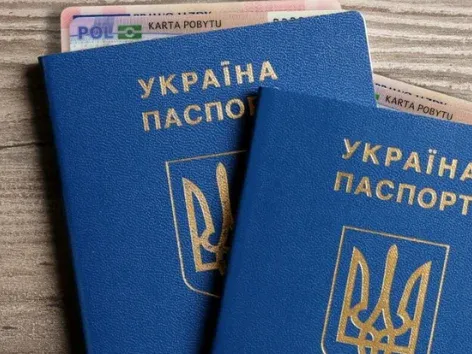
Many Ukrainians have already obtained a residence card and feel confident living and working in Poland. However, not everyone knows that this document can be cancelled either by decision of the Office or at the foreigner's own request. Lack of information about the grounds and procedure may lead to problems with visas or entry into the country. Find out in which cases Ukrainians can have their residence card cancelled and how to properly apply for its cancellation

Many Ukrainians have already obtained a residence card and use it as their primary document for legal residence in Poland. However, it is important to remember that having a card does not guarantee permanent status — Urząd may revoke it in a number of cases. We explain when this happens and what to do if you want to voluntarily surrender your card.
The main reasons for cancelling a residence card
1. A change in the circumstances on the basis of which the card was issued — for example, dismissal, completion of studies, closure of a business or termination of family ties, if the card was issued for family reunification.
2. Prolonged absence from Poland without valid reasons or notification to the province.
3. Inconsistency with the purpose of stay — if a foreigner has declared that they are studying or working, but in fact does not do so.
4. Violation of the conditions of residence — lack of stable income, health insurance or non-payment of taxes.
5. Providing false information or forged documents when submitting an application.
6. Violation of Polish laws or actions that pose a threat to public safety.
7. Voluntary cancellation if the foreigner submits an application for refusal.
A residence card is a right to stay, not a guarantee. Therefore, it is important to monitor the validity of the grounds on which it was issued and to inform the Urząd in a timely manner of any changes.
How to cancel a residence card yourself
Sometimes Ukrainians themselves want to give up their card — for example, when moving to another country, losing their job or closing their business. The procedure seems simple, but it has its nuances.
You should give up your temporary residence card if:
▪️ there are no grounds for which you received it (you quit your job, closed your sole proprietorship, or withdrew from university);
▪️ you plan to leave Poland for a long period of time;
▪️ you want to stop the consideration of an already submitted application for a card (before a decision is made).
Who is required to notify Uzhend
By law, it is the foreigner himself who is obliged to notify the province of the change in circumstances. The employer or educational institution also submits their notifications, but you cannot rely solely on them: sometimes documents are processed with delays, and the status in the databases may remain active, which creates difficulties when re-entering or applying for a new visa.
What happens if you do not cancel your residence card on time
If a person has left Poland but the card formally remains valid, this may cause confusion in the future: when attempting to apply for a new visa or work permit, the consulate may refuse, considering that you already have a valid residence permit. The opposite situation is also possible at the border — cancellation of the card upon entry.
To avoid such problems, it is important to submit a waiver application yourself.
Don't want to miss important updates and useful articles? Subscribe to our weekly newsletter!
How to apply for a residence card waiver: step by step
Step 1. Prepare the application
There is no ready-made form; the application is written in free form in Polish. It should include:
1. the addressee — the Voivode who issued the card;
2. your details;
Wording: if the card has already been received — ‘I hereby report the disappearance of the grounds on which the residence card series... was issued’; if the application is still being considered — ‘I request that the consideration of case No... be terminated’.
The document must be signed and dated.
Step 2. Submit your application
You can submit it in person at the office or send it by post. Be sure to keep the confirmation of receipt — it is your protection in case of disputes.
Step 3. Wait for notification
Once your application has been processed, you will receive notification of the change in status. This is usually sent to your Polish address. It is not possible to check the status online, but you can contact the inspector handling your case.
Step 4. Return the card (if you have already received it)
After cancellation, the card must be returned to the office. In most cases, the processing fee is non-refundable, as the service is considered to have been provided.
Need help with immigration issues?
Contact the lawyers at Visit Ukraine for advice.

Reminder! More and more Ukrainians working and living in Poland are using two bank cards at once — Polish and Ukrainian. This is convenient for transfers, paying for purchases and storing savings, but it may raise questions from the tax authorities of both countries. It is important to understand what rules apply to residents of Poland and Ukraine and when it is necessary to declare income. Find out what conditions allow you to legally use bank accounts in two countries at the same time.
Want to know more? Read the latest news and useful materials about Ukraine and the world in the News section.
Our recommendation for a safe and comfortable trip:
Visit Ukraine Insurance - insurance for a safe stay abroad without unnecessary expenses;
Green Card - compulsory car insurance for traveling abroad;
Visit Ukraine Tickets - book tickets for buses, trains, and airplanes to/from Ukraine and between cities around the world;
Private Lawyer service - professional legal support on visa and migration issues;
Visit Ukraine Merch - buy patriotic clothing and accessories with worldwide delivery.
© 2018-2025, Visit Ukraine. Use, copying or reprinting of materials on this site is permitted only with a link (hyperlink for online publications) to Visit Ukraine.
All rights reserved.
Recommended articles
1 min
For refugees
What are Ukrainians preparing for when temporary protection in the EU ends?
Almost 4.3 million Ukrainians are still under temporary protection in EU countries, but this protection is gradually coming to an end. What will happen after 2027: will it be extended, will they return home, or will they transition to other statuses? Find out what to prepare for and what decisions EU countries are considering
Yuliia Dyka
22 Oct. 2025
More details1 min
Popular
Germany calls on EU to restrict entry of Ukrainian men: details of the statement
In Germany, Bavarian Prime Minister Markus Söder called on the European Union to restrict the entry of young Ukrainian men and to influence the tightening of border crossing rules. Find out what proposals are being discussed and how the migration situation is changing. Find out what Germany is proposing and what the possible consequences are for Ukrainians in the EU
Yuliia Dyka
23 Oct. 2025
More details1 min
For refugees
Temporary protection in Europe: which countries have spent the most money on helping Ukrainians
Europe continues to incur huge costs to support Ukrainians under temporary protection. Germany, Poland and the Czech Republic remain the leaders in terms of the amount of aid and the number of Ukrainian citizens accommodated. Find out which countries have allocated the most funds and how much has already been allocated to help Ukrainians
Yuliia Dyka
23 Oct. 2025
More details2 min
For refugees
Switzerland is tightening rules for asylum seekers, banning them from traveling abroad, even within the Schengen area. Find out why an exception has been made for Ukrainians and what conditions will apply after the legislation is updated
Yuliia Dyka
24 Oct. 2025
More details