


.gif)
Arctic cold paralyzes transport in Europe: mass flight cancellations and traffic disruptions

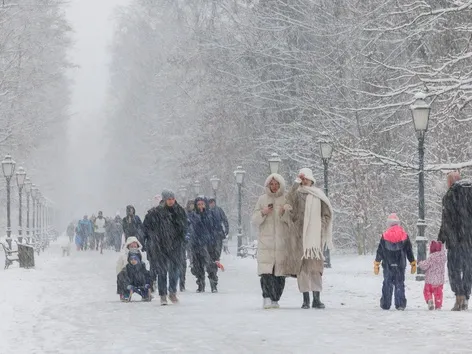
Europe has been hit by a wave of Arctic cold, leading to transport chaos, accidents, and power outages. Find out which countries have canceled flights, where traffic has been restricted, and how the bad weather is affecting travel in Europe

Europe has been hit by a wave of Arctic air, bringing a sharp drop in temperatures, heavy snowfall, and icy roads. The bad weather caused serious disruptions to transport in several EU countries: hundreds of flights were canceled or delayed, train and bus services were restricted, and power outages were reported in some regions.
Bloomberg reports on the large-scale consequences of the bad weather. According to the publication, on January 5 and 6, snowfalls closed runways and significantly restricted the operation of airports in France and the Netherlands.
Mass flight cancellations and restrictions at airports
Airports in France and the Netherlands were most affected by the bad weather. A significant number of flights were canceled at Nantes Airport in the Brittany region. Paris airports also reported numerous delays and cancellations of departures and arrivals.
In the Netherlands, the situation remained critical on Tuesday, January 6. According to officials, operations at Amsterdam's Schiphol Airport were extremely limited. Passengers were advised to be prepared for schedule changes and delays, and in some cases, complete flight cancellations.
Paralysis of rail and bus services
In addition to air travel, the bad weather seriously affected ground transportation. Train traffic was disrupted throughout the Netherlands, including on international routes. In France, school bus service was suspended in some areas of the northwest of the country on January 6.
The authorities also introduced additional restrictions: speed limits were reduced, and heavy goods vehicles were temporarily banned from driving in regions with an “orange” danger level. The Paris metro was also partially restricted.
Don't want to miss important updates and useful articles? Subscribe to our weekly newsletter!
A sharp cold snap and record temperatures
The transport collapse was caused by north winds driven by high-pressure systems in the Atlantic and Arctic. These caused a sharp drop in temperatures in northern and central Europe at the beginning of the week.
According to the UK Meteorological Office, on Monday night, the temperature in Marchem in south-east England dropped to -12.5 °C. In France, in the eastern city of Moutiers and in Oberstdorf in the Bavarian Alps, thermometers showed temperatures as low as -22 °C.
French meteorologists from Meteo France noted that this is the strongest cold snap in the country since 2012. As of January 6, an “orange” danger level due to snow and ice was in effect in 26 departments in northwestern France. In the Charente-Maritime department on the Atlantic coast, the snow cover reached 30 centimeters.
Consequences of bad weather: accidents, casualties, and power outages
Snow and ice caused fatal traffic accidents.
Two people died in the Paris region and two more were injured. According to The Independent, at least five people died in France as a result of the bad weather.
Due to difficult weather conditions, about 7,500 households in the Loire-Atlantique and Vendée departments were left without electricity. The cold snap has also sharply increased heating needs across the continent. In France, this has led to increased use of gas generators, as demand for electricity reached a five-year high on Monday.
Bad weather in other European countries
Weather problems have not only affected France and the Netherlands. Heavy rains that began before Christmas continue in Rome. Residents and tourists have been restricted from accessing parks and areas where there is a risk of falling trees and flooding.
In Scotland, heavy snowfall prompted calls for the military to be called in to clear roads and deliver food and medicine to people in difficult conditions. In some regions of the country, soccer matches have even been canceled.
Snow, heavy rain, and storms have also hit the Balkan countries of Bosnia, Serbia, Croatia, and Montenegro.
What travelers should consider
Amid widespread flight delays and cancellations, Dutch authorities have urged passengers to travel only when absolutely necessary. Similar recommendations apply to other countries where bad weather continues to affect the transport system.
If you are planning a trip abroad during the winter, especially during unstable weather, it is worth taking care of your safety in advance. In particular, medical insurance for traveling abroad will help you avoid unexpected expenses in case of injuries, illnesses, or delays due to extreme weather conditions. Ukrainians can conveniently purchase such a policy online through Visit Ukraine, which allows them to prepare for travel even in difficult conditions.

We remind you! Winter trips to the mountains require drivers to be especially attentive and take a responsible approach to the condition of their vehicles. Unexpected weather changes, difficult terrain, and slippery roads can pose serious risks even for experienced drivers. Read more about how to prepare your car for a winter trip to the mountains and avoid unpleasant surprises on the road.
Photo: Antonio Bronić/Reuters
Want to know more? Read the latest news and useful materials about Ukraine and the world in the News section.
Our recommendation for a safe and comfortable trip:
Visit Ukraine Insurance - insurance for a safe stay abroad without unnecessary expenses;
Green Card - compulsory car insurance for traveling abroad;
Visit Ukraine Tickets - book tickets for buses, trains, and airplanes to/from Ukraine and between cities around the world;
Private Lawyer service - professional legal support on visa and migration issues;
Visit Ukraine Merch - buy patriotic clothing and accessories with worldwide delivery.
© 2018-2026, Visit Ukraine. Use, copying or reprinting of materials on this site is permitted only with a link (hyperlink for online publications) to Visit Ukraine.
All rights reserved.
Recommended articles
2 min
Travel
Never do it again: 2025 travel trends that could ruin your trip
Travel trends change every year, but not all of them really make traveling better. Some popular ideas from social media look impressive, but in practice they can turn into stress, financial losses, or even danger. Here are the travel trends of 2025 that should be taken with caution
Yuliia Dyka
01 Jan. 2026
More details3 min
Popular
What will change in Ukraine from January 1, 2026: salaries, taxes, social benefits and health
January 2026 brought Ukrainians a number of important changes in various areas of life - from salaries and taxes to social benefits, vaccinations and new government programs. We have collected everything you need to know at the beginning of the year
Yuliia Dyka
02 Jan. 2026
More details2 min
Travel
Where to fly in 2026? Top most popular destinations among travellers
Travel in 2026 promises to be more diverse and accessible: airlines are expanding their routes, and tourists are increasingly choosing new cities over crowded resorts. EU. Find out which cities are among the top most popular travel destinations in 2026 and why they are attracting more and more tourists
Yuliia Dyka
02 Jan. 2026
More details2 min
Tourists in Ukraine
Tourism in Ukraine is generating more and more revenue: tourism tax has increased again
Domestic tourism in Ukraine is showing steady recovery and is increasingly filling regional budgets. Due to the growth in the number of trips, hotel occupancy and the development of services for travellers, the tourism industry has shown noticeable financial results even in difficult conditions. Find out which regions have become leaders in tourism revenue
Yuliia Dyka
05 Jan. 2026
More details