


Austrian Lviv. Individual tour
About this tour
Starting point: Svobody Avenue
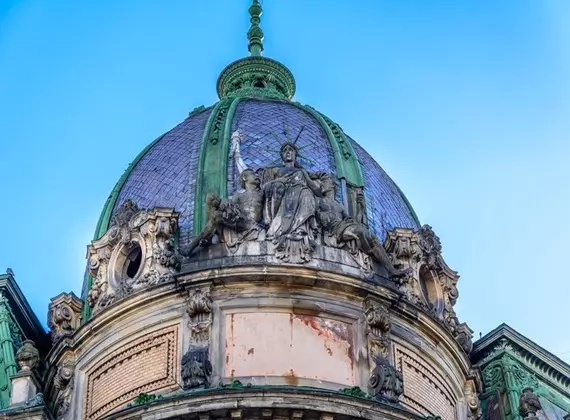
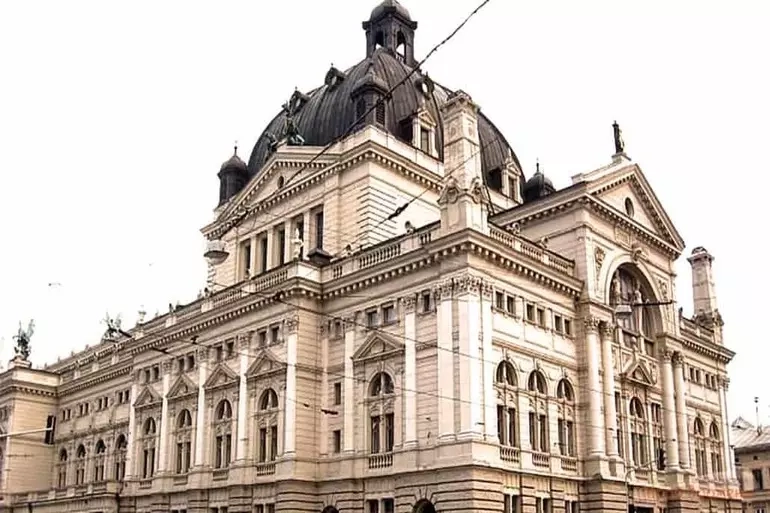
This avenue became the new heart of Lviv during the Austrian period. Here you will see the Opera House (1900), the Grand Hotel (1893), the former Galicia Savings Bank (1891), and other elegant architectural gems. The monument to Taras Shevchenko (1992), though much later, harmoniously complements the historical surroundings.
Nearby lies Mickiewicz Square, home to the George Hotel (1901), a monument to Adam Mickiewicz (1904), and Lviv’s first skyscraper — the Sprecher House (1921).
Next stops: Shevchenko Avenue and Halytska Square
Here you will admire the refined examples of Historicism and Secession architecture, which continue to impress with their grandeur. These houses, built during Austrian rule, remain among the most prestigious addresses in Lviv.
Kopernyka Street and the Potocki Palace
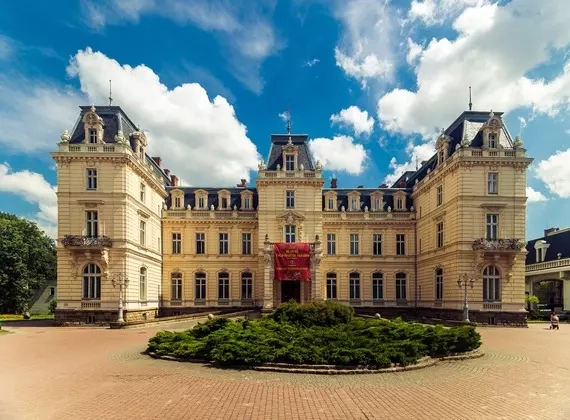
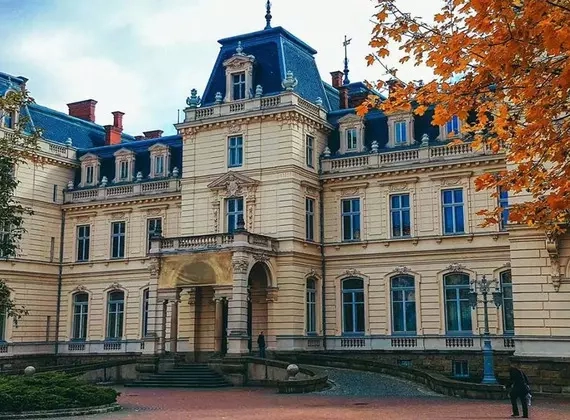
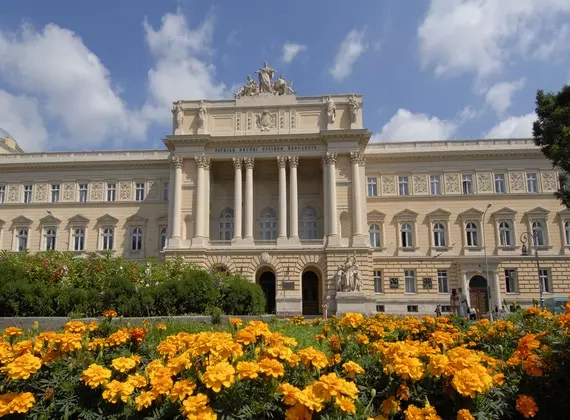
Walking along Kopernyka Street, we enter the courtyard of the Palace of the Counts of Potocki (1889) — one of Lviv’s most striking landmarks. From here, the route leads to Ivan Franko Park, the oldest city park in Ukraine (16th century). Beside it stands the Galician Diet building (1881), once the regional parliament of the Austro-Hungarian Empire.
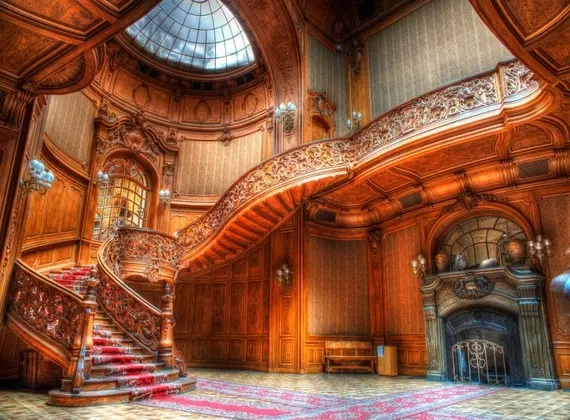
Nearby, the former Noblemen’s Casino (1898) — now the House of Scientists — continues to fascinate with its interiors. This venue frequently hosts cultural events, film shoots, and wedding photo sessions.
Return to the city center
We finish our walk along Sichovy Streltsiv Street, where the architecture resembles Italian palaces, and sculptures — like the figure of Mercury, the ancient god of trade — complete the elegant atmosphere.
Join us on this journey through the refined world of Austrian architecture in Lviv and discover how the city’s charm was shaped by the Habsburg era.
Tour dates: Every day
5 reasons to choose tour
1
The Austrian period in the history of Lviv lasted almost 150 years (from 1772 to 1918).
2
During this time, the architectural face of our city was radically changed. And these changes turned out for the better.
3
Most of the medieval defense structures were dismantled, replaced by new streets, houses and squares.
4
Lviv residents and guests of the city live or work in the still luxurious Austrian houses.
5
We invite you to join us in the bright world of Austrian architecture in the city of Lviv.
Key landmarks
1
The Opera House (1900)
2
The Grand Hotel (1893)
3
The former Galicia Savings Bank (1891)
4
The first Lviv skyscraper – the Sprecher House (1921)
5
The courtyard of the Palace of the Counts of Potocki (1889)
What is included?

Professional guide
*From each purchased tour, we transfer 10% to the Ukrainian Refugee Support Fund. All profits from press tours are transferred to the reconstruction of Ukraine.
ALSO YOU WILL LIKE
